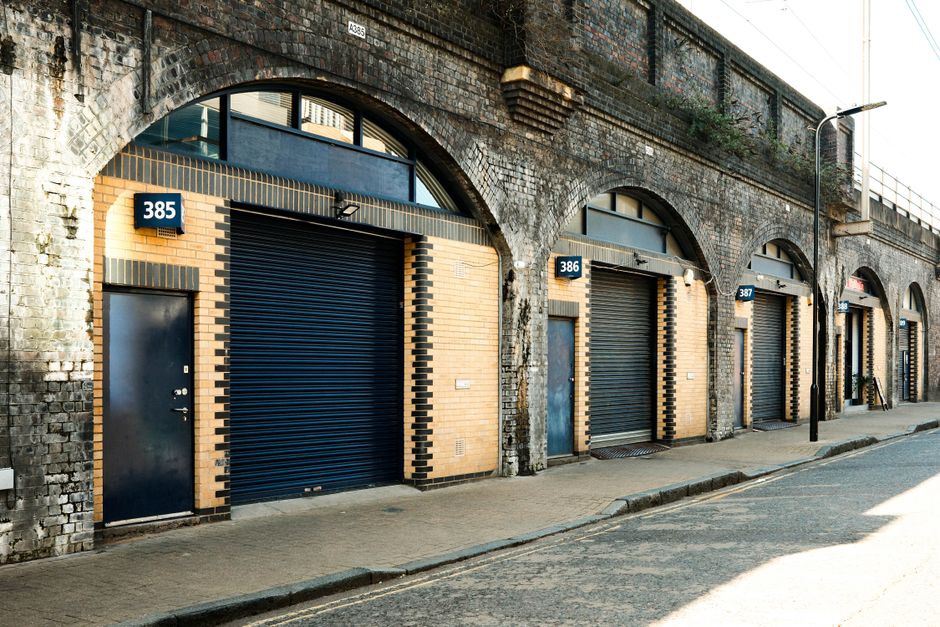
Office removals for Blackstock Road businesses in Finsbury Park: a practical guide for a smoother move
If you run a business on or near Blackstock Road, you already know how quickly an office move can become a juggling act. One minute you are packing laptops and stationery, the next you are thinking about desk layouts, access times, data security, and how on earth everyone is meant to keep working. Office removals for Blackstock Road businesses in Finsbury Park are rarely just about transport. They are about keeping your team calm, your clients informed, and your downtime as short as possible.
That is what this guide is for. We will walk through how office removals typically work in this part of Finsbury Park, what to plan for, where the risks usually appear, and how to make sensible choices without overcomplicating everything. A move does not have to feel chaotic. Truth be told, with the right prep, it can feel almost boringly organised. And boring is good when you are moving a business.
Table of Contents
- Why office removals for Blackstock Road businesses in Finsbury Park matter
- How office removals for Blackstock Road businesses in Finsbury Park works
- Key benefits and practical advantages
- Who this is for and when it makes sense
- Step-by-step guidance
- Expert tips for better results
- Common mistakes to avoid
- Tools, resources and recommendations
- Law, compliance, standards, or best practice
- Options, methods, or comparison table
- Case study or real-world example
- Practical checklist
- Conclusion
- Frequently asked questions
Why office removals for Blackstock Road businesses in Finsbury Park matter
Blackstock Road sits in a busy, lived-in part of north London, and that shapes everything about a commercial move. You are not dealing with a quiet business park where vans can come and go with barely a fuss. You are working around local traffic, tight schedules, nearby residents, shared entrances, and the simple fact that your business still has to function while boxes are stacked everywhere. That is why office removals here need more than muscle.
The real challenge is continuity. A poor move can create missed calls, lost files, grumpy staff, and a day or two of everyone asking, "Where did we put that charger?" Not ideal. On the other hand, a properly planned move can protect revenue, reduce stress, and give your team a clean reset in the new space.
For many local firms, the move is also a chance to improve the way the office works. Maybe the old site had awkward storage, poor reception space, or a layout that always felt cramped. A relocation can solve some of that, but only if the logistics are handled properly. If you are also weighing up wider local context, pieces like Finsbury Park property market insights can help you think through the bigger picture, while buying property in Finsbury Park may be useful if the move is part of a longer-term business decision.
Expert takeaway: the most successful office moves are not the fastest ones. They are the ones where everyone knows what is moving, when it is moving, and who is responsible for each part.
How office removals for Blackstock Road businesses in Finsbury Park works
In practical terms, an office removal usually follows a fairly simple pattern: planning, packing, collection, transport, unloading, and setup. But the detail matters. With office relocations, the "detail" is where things are either made easy or made painful.
Most businesses begin with an assessment of what needs to move. That means desks, chairs, filing cabinets, monitors, archive boxes, IT equipment, meeting room items, small kitchen appliances, signage, and any fragile or awkward pieces. A good plan separates the essentials from the non-essentials early on. You do not want someone packing printer cables at 5pm on moving day while another person is waiting for the keys. It happens more often than people admit.
From there, the move is usually timed around business hours, access restrictions, and building rules. In a local area like Finsbury Park, the schedule often matters as much as the route. If your premises are on a street with limited stopping space or shared access, a well-timed arrival can save a lot of hassle. Services that offer flexible timing, like delivery at a time that suits you, are especially useful for businesses trying to keep disruption low.
Packaging is another important layer. Office items should be grouped logically, not just thrown into random boxes. The team should label boxes by department, room, and priority. If your staff can find the kettle but not the payroll folder, the move is technically complete, yet still a headache. For many moves, it helps to package your items and wait for the movers to come so the collection itself runs more smoothly.
If you are considering a broader move package, it can also be useful to look at the wider range of removal services in Finsbury Park and how they fit your building type, volume, and timeline.
Key benefits and practical advantages
There are some clear advantages to using a professional office removal service rather than trying to improvise with staff, borrowed vehicles, and good intentions.
- Less downtime: a coordinated move shortens the gap between leaving one office and operating in the next.
- Better handling of equipment: office furniture, screens, and IT gear need proper care.
- More predictable scheduling: you can plan around opening hours, client calls, and delivery windows.
- Reduced physical strain: no one on your team needs to pretend they enjoy lifting filing cabinets.
- Cleaner handover: a structured move makes it easier to return keys, close accounts, and leave the old space in decent order.
- Scalable support: whether you are moving a small office or several workstations, the process can be sized to fit.
There is also a quieter benefit: morale. Staff generally cope better when the move feels organised. They may not say it out loud, but people relax when labels are clear, boxes are sensible, and nobody is shouting across a corridor asking where the staplers went.
For smaller businesses, it can make sense to compare moving styles too. A compact office might be fine with a man and van in Finsbury Park, while a larger premises move may need a fuller team and a more structured plan. If you are not sure which approach fits, a look at services overview can help you understand the range without guessing.
Who this is for and when it makes sense
Office removals for Blackstock Road businesses in Finsbury Park make sense for a fairly wide group of organisations. You might be relocating because the lease is ending, because the team has outgrown the current space, or because hybrid working has changed your footprint. It could also be a practical reset after a restructure, refurbishment, or a move to a better location for client access.
This kind of move is especially relevant if you are:
- a small professional practice with filing and equipment to protect
- a creative studio with fragile tools or display items
- a consultancy or agency with multiple workstations and regular client contact
- a healthcare, education, or admin-based office with sensitive records
- a local service business moving between nearby premises
- a startup scaling up and needing a cleaner, more flexible office setup
It also makes sense when time is tight. If you need to move between appointments or outside standard working hours, you may want a flexible team or even something like same-day removals in Finsbury Park for urgent, smaller-scale situations. Not every move needs speed, but some do, and pretending otherwise can be expensive.
And for businesses whose move includes storage of surplus stock, archive files, or old furniture, temporary storage in Finsbury Park can make the transition far less messy.
Step-by-step guidance
Here is a practical way to handle the move without losing control of the process.
- Book a proper walkthrough. Count desks, chairs, fragile items, IT equipment, and anything awkward to move.
- Define what is moving and what is not. Old paper archives, broken furniture, and surplus items should be identified early.
- Set a moving date that suits operations. The quieter the office, the easier the move. A Friday evening or weekend slot is often less disruptive.
- Assign one internal lead. One person should make the calls. Too many decision-makers can slow everything down.
- Label by room and priority. Use a simple system that everyone understands.
- Protect IT equipment. Screens, docks, routers, and cables deserve more care than a random box provides.
- Communicate with staff. Keep everyone updated about what to pack, what to leave, and when to expect access.
- Prepare the new office first. Measure access points, confirm lift use, and clear paths before moving day.
- Move in phases if needed. Some businesses benefit from splitting the move into essential and non-essential loads.
- Check the space after delivery. Make sure everything is in the right room and the essentials are working.
A small but important tip: keep a "first hour" box. Put in extension leads, chargers, tape, scissors, basic stationery, kettle supplies, and any key documents needed on day one. It saves a lot of wandering around. Honestly, more than you would expect.
Expert tips for better results
In our experience, the moves that go best are usually the ones where the business makes a few calm decisions early on. Nothing dramatic. Just sensible planning.
Start with the items people forget. The obvious things get packed. It is the odd bits that trip people up: wall art, whiteboards, signage, spare monitors, desk plants, and that drawer full of adapters nobody wants to own. Ask a second person to walk through the office before packing begins. Fresh eyes catch a lot.
Measure access before move day. This sounds basic, but it avoids awkward surprises. Check stair widths, lift size, parking access, and whether there are any building restrictions. A few minutes with a tape measure can save an afternoon of irritation.
Keep sensitive files separate. If your office handles client data, accounts, or personal records, make a clear decision about what is hand-carried, locked, shredded, or archived. No need for drama; just be organised and a bit strict about it.
Use furniture protection properly. Desks, glass panels, and conference tables often need blankets, wraps, or careful dismantling. That is where a professional approach pays off.
Think about the return to work, not just the move itself. People often obsess over loading the van and forget the day after. Make sure internet, phones, workstations, and access cards are ready to go. Moving is one thing. Being operational is the real win.
If you need more context around vehicle size and load options, it can help to review a removal van in Finsbury Park before deciding how much capacity you actually need.
Common mistakes to avoid
The same mistakes come up again and again. They are easy to make, and annoying to fix.
- Leaving packing until the last day: this is the classic one. It turns a business move into a scramble.
- Not naming a single point of contact: too many people giving instructions slows everything down.
- Underestimating IT disruption: if devices and cables are not planned properly, your first day in the new office can be half-empty.
- Ignoring access restrictions: loading space, stairs, timed entry, and building rules all matter.
- Forgetting insurance questions: always confirm what is covered and what is excluded.
- Mixing office items with home-style packing habits: business moves need more structure than a spare bedroom move.
- Not checking the new layout in advance: if desks do not fit, you will notice very quickly, usually while sweating near a door frame.
Another common issue is assuming every item should move. Sometimes the best move includes a sensible clear-out. If you have broken chairs, duplicate cabinets, or old equipment that no longer earns its keep, it may be better to dispose of them responsibly rather than carting clutter to a new address. That is where recycling and sustainability become genuinely practical, not just nice words on a page.
Tools, resources and recommendations
You do not need a complicated toolkit for an office move, but a few basics help enormously.
- Label makers or sturdy labels: room names, department names, and "priority" tags all help.
- Colour-coded tape: simple, visual, and faster than reading every box.
- Inventory sheet: even a basic spreadsheet can keep track of what moved and where it went.
- Protective wrap and blankets: useful for desks, screens, and fragile fittings.
- Tool kit: screwdrivers, Allen keys, tape, and scissors will almost always be needed.
- Spare boxes for odd items: cables, adapters, stationery, and desk accessories all need somewhere to live.
For businesses that want a fuller picture of planning, packing and boxes in Finsbury Park is a sensible place to start. It is also worth checking pricing and quotes before confirming the date, so you can align the move with your budget rather than hoping for the best.
If you are comparing support levels, a local removal company in Finsbury Park may be more useful than a general transport-only option, especially when you need coordination as much as carrying.
Law, compliance, standards, or best practice
Office moves can touch on health and safety, data handling, building access, and insurance. That does not mean you need a legal seminar. It does mean you should handle the process with care.
In the UK, businesses are generally expected to take reasonable steps to protect staff, visitors, and property during a move. That includes safe lifting, clear walkways, sensible handling of heavy furniture, and not blocking escape routes in either location. If a building has specific rules about access, loading, or lift use, they should be followed. It sounds obvious, but in the rush of moving day people sometimes skip the obvious bits. That is usually when small problems become annoying ones.
For data-sensitive organisations, basic confidentiality matters too. Client files, payroll documents, and devices with business data should not be left in unsecured piles. If you are not sure how much protection your internal process needs, keep it simple: limit who handles the files, use sealed containers where appropriate, and document what is moved.
Insurance is another area worth checking. The safest approach is to confirm what cover applies to goods in transit, handling, loading, and unloading. For more detail on how this is approached, see insurance and safety and health and safety policy. If payment security is on your mind, payment and security may also be useful. These pages are not about making the move dramatic; they are about reducing avoidable worry.
It is also worth noting that if your business is moving staff around sensitive or regulated environments, you should be careful with internal procedures. Better safe than sorry, as the old saying goes.
Options, methods, or comparison table
There is no single right way to move an office. The best method depends on size, urgency, and how much disruption you can tolerate.
| Method | Best for | Strengths | Trade-offs |
|---|---|---|---|
| Small van move | Compact offices, a few desks, light equipment | Flexible, often quicker to arrange | Limited space, may require multiple trips |
| Man and van | Small to medium moves with mixed items | Good balance of cost and practicality | May not suit large furniture loads |
| Full removal service | Larger offices, multiple rooms, sensitive equipment | More structured, more support, less stress | Usually needs more planning |
| Split-phase move | Businesses that cannot stop trading all at once | Reduces downtime, keeps essentials live | Takes coordination and clear labelling |
For many Blackstock Road businesses, a phased move is the sweet spot. You move the critical desks, phones, and files first, then follow with archive storage and surplus furniture. That way the office can function again sooner, even if the final boxes arrive later in the day or the next morning.
If your move includes only a few key items, the more compact approach can be a good fit. If it includes conference furniture, archive runs, or multiple departments, then a larger, more methodical option is usually worth it.
Case study or real-world example
Picture a small professional office near Blackstock Road with six staff, four desks, a filing cabinet wall, laptops, printer stations, and a meeting room table that definitely looked lighter when it was bought. The business needed to move over a weekend so Monday trading would not be affected. Nothing glamorous, just a normal local relocation with plenty of moving parts.
The office manager began by assigning one person to own the move. That alone made a big difference. Staff were asked to pack personal items and label anything they used daily. The manager then separated IT kit, paperwork, and furniture into different categories. Two old storage units were cleared out before move day, which reduced the volume considerably. A few chairs that had seen better days were earmarked for recycling rather than transport.
On the day itself, the van arrived once access had been confirmed and the route through the office was clear. Furniture was wrapped, desks were dismantled carefully, and the essential boxes were kept together. At the new office, the team focused first on setting up workstations and the internet connection. By late afternoon, most of the staff could log in and work. There were still a few boxes waiting to be unpacked, of course. There always are. But the business was operating, which is what mattered.
The lesson? Good office removals are less about perfect choreography and more about reducing friction at the right moments. A little preparation goes a long way.
Practical checklist
Use this before moving day. It keeps the chaos down.
- Confirm moving date, time, and access arrangements
- Nominate one internal move contact
- List all desks, chairs, storage, and equipment
- Separate items that will not be moved
- Back up important digital data
- Label boxes by room and priority
- Pack a first-day essentials box
- Check lift, stairs, parking, and loading access
- Protect fragile screens and devices
- Confirm insurance and handling details
- Prepare the new office layout in advance
- Tell staff what to do on the day
- Review recycling or disposal for unwanted items
- Test internet, phones, and access equipment at the new site
Practical summary: if the move is planned, labelled, and timed well, the rest usually follows. If it is vague, rushed, and split across too many people, problems appear fast. Not always huge problems, but enough to slow your day down.
For local business owners who want a simpler starting point, the broader removals in Finsbury Park page can help you map the right type of move, while man with a van in Finsbury Park is useful when the load is lighter and timing matters more than a large team.
Get a free quote today and see how much you can save.
Conclusion
Office removals for Blackstock Road businesses in Finsbury Park do not need to be stressful, even if the first thought of them makes your shoulders tense up a bit. The key is to treat the move as an operational project, not just a transport job. Once you do that, the details become manageable: access, timing, packing, labelling, equipment, insurance, and getting the new space ready before the van arrives.
The local setting matters too. Busy streets, real-life schedules, and the need to keep trading all shape the move. But with sensible planning and the right kind of support, you can keep disruption low and get back to work quickly. And that, let's face it, is the point.
If you are comparing options for your next move, start with the simplest question: what do we need to be working again as soon as possible? Answer that well, and the rest gets much easier. A calm move is a good move.
Frequently Asked Questions
How far in advance should I book office removals for a Blackstock Road business?
As early as you reasonably can. A bigger office or a move with sensitive equipment needs more lead time, while a smaller move may be arranged more quickly. If your dates are fixed by lease or building access, book sooner rather than later.
Can office removals in Finsbury Park happen outside normal working hours?
Yes, often they can, provided the access arrangements and building rules allow it. Evening or weekend moves are popular because they reduce disruption to staff and clients.
What should we pack ourselves before the movers arrive?
Staff usually pack personal items, desk drawers, and any loose papers or accessories they use day to day. Shared equipment, furniture, and fragile office items are often better handled as part of the main move plan.
How do we protect computers and monitors during an office move?
Use proper packing, keep cables together, and separate sensitive IT kit from general office clutter. Screens should be wrapped and transported carefully, and it helps to label everything clearly so reconnecting is easier later.
What if we have confidential documents?
Those should be handled deliberately. Decide in advance what is moving, what is being archived, and what should be shredded. Limit access to authorised staff and use sealed boxes where appropriate.
Is a man and van service enough for a small office?
Sometimes yes. If you only have a few desks, some boxes, and light furniture, a smaller service may be perfectly adequate. If you have more equipment, filing, or awkward items, a fuller removal setup may be better.
What is the biggest mistake businesses make during office removals?
Leaving everything too late. Late packing, poor labelling, and unclear responsibilities create avoidable stress. A move usually goes better when one person owns the process and everyone else follows the same plan.
Do we need storage if the new office is not ready yet?
Not always, but it can be very helpful. Temporary storage is useful if your lease dates do not line up neatly or if you need to hold surplus furniture and archive boxes during the transition.
How do we minimise downtime during the move?
Move critical items first, prepare the new office in advance, and keep a first-day essentials box ready. If possible, time the move so the team can resume work quickly once everything is delivered.
Can old office furniture be reused or recycled?
Yes, often it can. Some pieces can be reused in the new office, while others may be better recycled or disposed of responsibly. It is worth sorting this before move day so you do not pay to transport things you no longer need.
How do I know which moving option is right for our office?
Start with the volume of items, the sensitivity of the equipment, and how much disruption you can afford. A small office may be fine with a compact vehicle and a few helpers, while a larger setup needs a more structured service.
Where should I begin if I am ready to plan the move?
Start with a quick inventory, a date window, and a decision on what is definitely coming with you. Then compare support options and speak to a local removal team that understands the area and the practical pressures of a business move. That first step makes the rest feel far less daunting.